Tips
Your Fitness Questions Answered Here & Now

What is a fitness diet plan?
A proper fitness diet combines balanced macronutrients with whole foods to fuel your workouts and recovery. It's not about restriction but strategic eating that enhances performance, builds muscle, and maintains optimal energy levels. The right diet supports your training goals while boosting confidence and vitality.
Why is nutrition crucial for fitness success?
Nutrition powers every aspect of your fitness journey. Without proper fueling, your body cannot perform at peak capacity or recover effectively. A well-designed diet increases strength, endurance, mental clarity, and overall masculine energy. Consistent nutrition combined with training transforms your physique and mindset.
What are the core principles of maintaining peak physical condition?
Peak fitness relies on progressive training, strategic nutrition, adequate sleep, and mental resilience. Each element works synergistically to build strength and confidence. Consistency matters more than perfection. By mastering fundamentals like compound exercises and whole food nutrition, you create sustainable results that last.
How should macronutrients be balanced in your diet?
Balance depends on your goals, but most fitness enthusiasts benefit from adequate protein for muscle recovery, complex carbs for energy, and healthy fats for hormonal balance. A typical ratio is thirty percent protein, forty to fifty percent carbs, and twenty to thirty percent fats. Individual needs vary based on training intensity and body composition.
What role does hydration play in fitness performance?
Hydration directly impacts strength, endurance, recovery, and mental performance. Even mild dehydration reduces power output and cognitive function. Proper water intake supports nutrient transport, temperature regulation, and hormone production. Aim for half your body weight in ounces daily, adjusting for training intensity and climate conditions.
How do training splits enhance muscle development?
Strategic training splits distribute volume across muscle groups, allowing adequate recovery while maintaining frequency. Push-pull-legs routines, upper-lower splits, or full-body approaches all work effectively. The best split matches your schedule and recovery capacity. Consistency with progressive overload builds muscle faster than random training patterns.
Customize these answers based on your specific fitness goals

What foods build lean muscle most effectively?
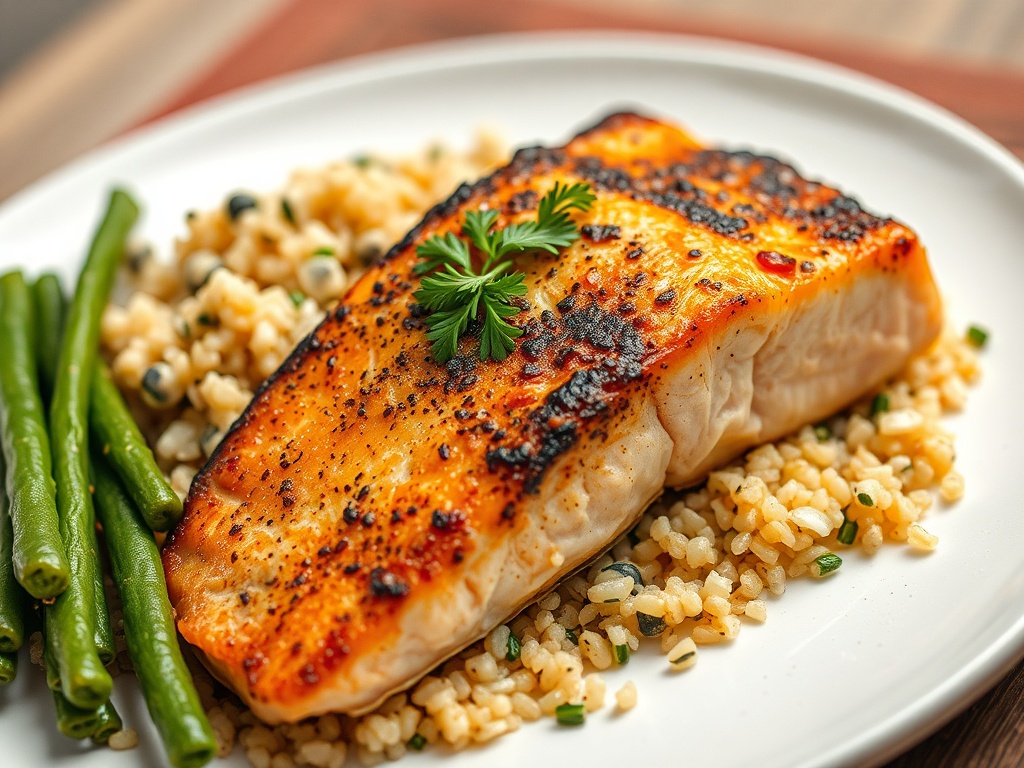
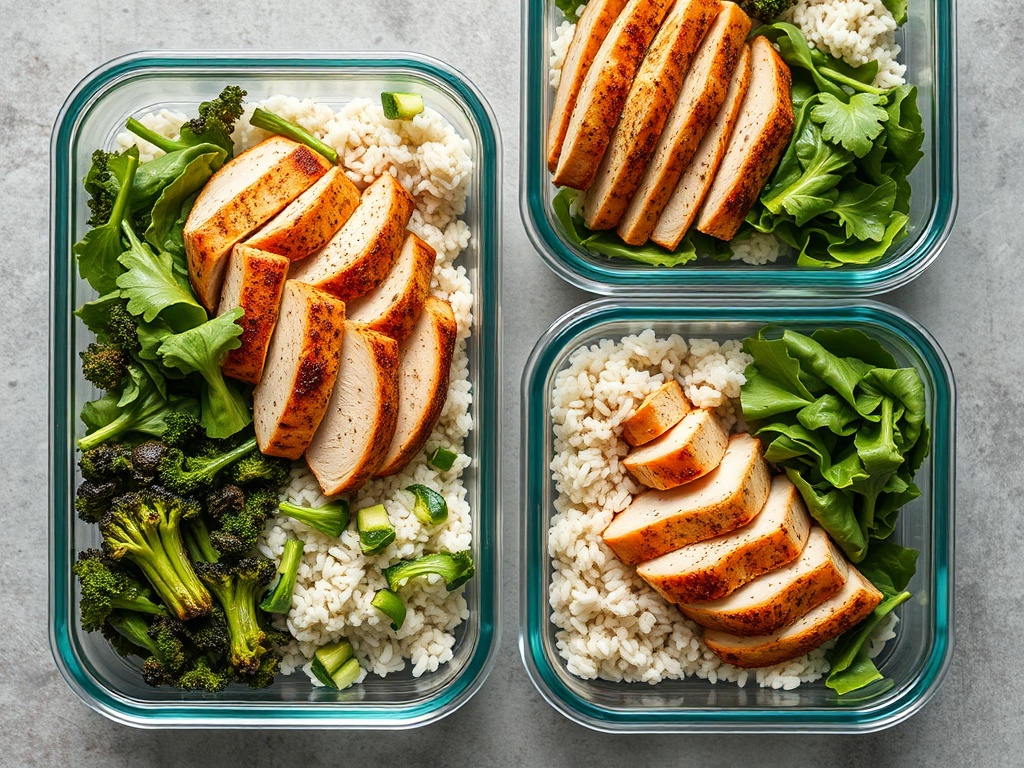
Lean proteins like chicken, fish, and beef, combined with rice, potatoes, and vegetables create the foundation for muscle building. Eggs, Greek yogurt, and cottage cheese offer versatile options. Whole foods provide micronutrients that support hormone production and recovery. Quality ingredients transform your physique and energy levels.
How important is consistency in fitness routines?
Consistency is everything in fitness. Small daily actions compound into dramatic results over months and years. Missed workouts set you back far more than regular training prevents plateaus. Building this discipline strengthens mental toughness beyond the gym, creating unshakeable confidence and masculine presence.
What supplements support natural testosterone and energy levels?
Quality sleep, stress management, and proper nutrition build testosterone naturally. Vitamin D, zinc, and magnesium support hormone production. Creatine and whey protein enhance training and recovery. ConsultHealthcare providers before starting supplements. Focus first on fundamentals: sleep, training, nutrition, and stress management.
What's the best approach to post-workout nutrition timing?
Post-workout nutrition accelerates recovery when consumed within two hours of training. Protein and carbohydrates replenish glycogen and initiate muscle protein synthesis. A simple meal of chicken with rice or a protein shake works effectively. Proper recovery nutrition improves next-day performance and long-term progress.
How does sleep impact muscle growth and testosterone?
Sleep is when muscle repair and testosterone production peak. Seven to nine hours nightly is essential for athletic performance and hormonal health. Poor sleep sabotages training results and drains mental energy. Prioritize consistent sleep schedules, dark environments, and minimal screens before bed for optimal recovery.
Why is progressive overload necessary for continuous gains?
Progressive overload—gradually increasing training demands—forces adaptation and muscle growth. Adding weight, reps, or sets pushes past plateaus. Without progressive stimulus, your body adapts and progress stalls. Tracking workouts ensures you're always challenging yourself, maintaining motivation and achieving consistent strength gains.

Unlock your peak physical potential today
Transform your fitness with proven strategies